Power Crisis Emerges as Biggest Threat to Pakistan’s Telecom Sector, NA Told

ISLAMABAD
Pakistan’s telecom sector is facing mounting operational pressure due to unreliable electricity supply, prolonged load-shedding and repeated fiber optic disruptions, according to a written reply submitted to the National Assembly by IT Minister Shaza Fatima Khawaja.
The minister said extended power outages have become the single biggest challenge for telecom operators, with backup batteries at mobile sites depleting rapidly during prolonged electricity cuts, resulting in degraded mobile and internet services across parts of the country.
“Uncertain electricity supply is severely affecting service quality and network stability,” the ministry stated, adding that harsh weather conditions and difficult terrain are also delaying repair and restoration work in remote regions.
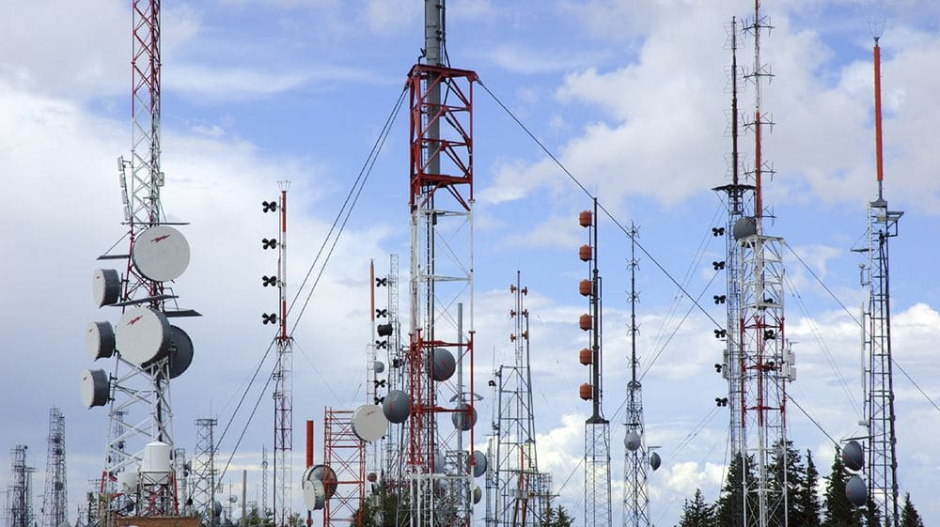
Pakistan currently hosts more than 57,000 telecom sites nationwide, supporting 2G, 3G and 4G infrastructure operated by major cellular companies including Jazz, Zong, Telenor Pakistan and Ufone.
According to the ministry, Jazz remains the country’s largest mobile operator with more than 16,000 BTS sites deployed nationwide, while other operators have also installed thousands of 3G and 4G towers across urban and rural areas.
The government said repeated fiber optic cable cuts continue to disrupt mobile and broadband connectivity, while telecom firms are also struggling with theft of batteries, fuel and sensitive network equipment at operational sites.
The report further highlighted bureaucratic hurdles in telecom expansion projects, particularly delays in right-of-way approvals for fiber deployment and tower installation. Officials said the absence of a centralized one-window clearance system has slowed infrastructure rollout nationwide.
Operational Support System (OSS) data showed that site availability for all major operators remained below the industry target of 99%, largely due to energy-related disruptions. However, call completion rates for all operators stayed above 98%, according to the ministry.
The IT ministry noted that solar-powered backup systems, increasingly used by telecom operators, also face reduced efficiency during winter months because of lower sunlight availability.
Meanwhile, the Pakistan Telecommunication Authority said it conducted 379 Quality of Service surveys over the past three years and issued five show-cause notices and 15 warning letters to operators over poor service standards.
Over the last five years, the regulator imposed fines totaling Rs68.9 million on telecom companies for service quality violations, the assembly was informed.
The ministry also clarified that taxation on internet and telecom packages falls under the jurisdiction of the Federal Board of Revenue.
To improve mobile broadband performance and prepare for next-generation connectivity, the Pakistan Telecommunication Authority recently auctioned 480 megahertz of spectrum aimed at strengthening 4G services and paving the way for future 5G deployment.
The government has set a target of installing 1,000 new mobile sites annually, with 20% of future infrastructure under the Universal Service Fund planned for underserved and less-developed regions.
Officials also confirmed plans to accelerate nationwide fiberization and promote infrastructure sharing among telecom operators to reduce costs and improve network resilience.