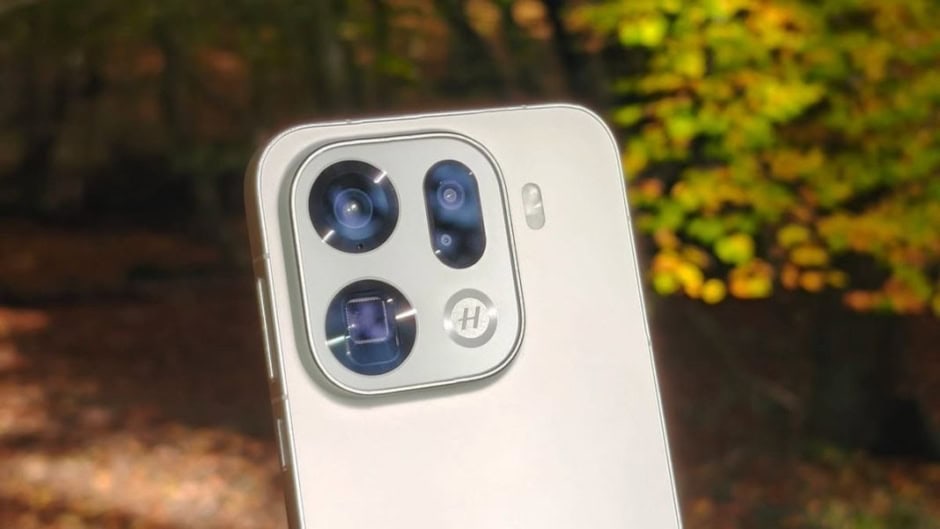
Oppo May Cancel Find X10 Pro Max as Rising Costs Push Flagship Prices Higher

Oppo is reportedly reconsidering plans for its highly anticipated Find X10 Pro Max smartphone amid concerns that the device’s expected premium price could limit consumer demand in China’s competitive flagship market.
According to recent leaks, Oppo could either delay or completely cancel the Find X10 Pro Max due to worries surrounding its projected starting price of around CNY 7,000, equivalent to more than $1,000.
Industry reports suggest the pricing concerns are linked to rising global component and memory costs, which continue to put pressure on smartphone manufacturers building high-end flagship devices.
The rumored handset was expected to feature an ambitious premium camera setup, including multiple 200-megapixel sensors and advanced periscope zoom technology aimed at competing with ultra-premium smartphones from rival Chinese brands.
Leaks also indicated that the device could use MediaTek’s upcoming Dimensity 9600 chipset instead of Qualcomm’s Snapdragon processors, a move some analysts believe may make it harder to justify ultra-premium pricing in the Chinese market.
Technology observers say smartphone brands are increasingly facing challenges balancing aggressive hardware innovation with consumer pricing expectations as flagship device costs continue climbing globally.
The uncertainty surrounding the Find X10 Pro Max reflects wider industry concerns about whether ultra-premium smartphones remain commercially sustainable outside niche enthusiast markets.
Online technology communities have also debated the future of “Ultra” and “Pro Max” flagship categories, with some users questioning whether consumers are willing to pay significantly higher prices for incremental hardware upgrades.
Despite the speculation, Oppo has not officially confirmed any cancellation plans for the device, and reports suggest development and testing of the Find X10 lineup may still be ongoing.
Analysts say the situation highlights growing pressure on smartphone manufacturers as they attempt to differentiate premium devices through camera innovation, AI features and advanced chipsets while avoiding price levels that could discourage mainstream buyers.