Meta Opens AI Display Glasses to Developers, Turning Wearables Into New App Platform

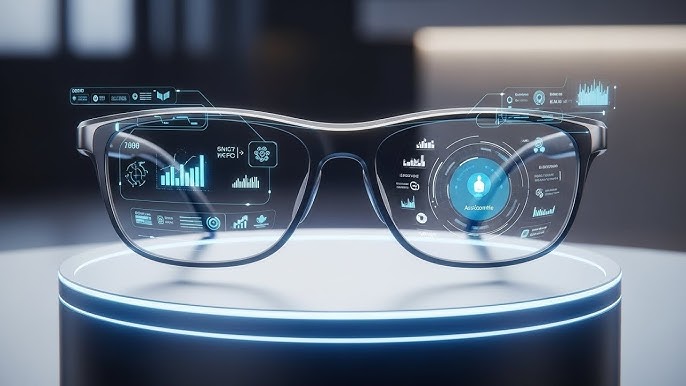
Meta has opened its AI-powered display glasses to third-party developers, marking a major shift from a closed wearable device to an open computing platform aimed at building apps, games and real-time digital overlays.
According to the announcement, Meta Platforms is allowing developers to build applications for its AI display glasses using a dedicated developer preview, enabling both mobile and web-based apps to run directly on the device’s in-lens heads-up display.
The move effectively transforms the smart glasses into a lightweight spatial computing platform, allowing external developers to create tools such as real-time information overlays, messaging interfaces, navigation aids, productivity apps and interactive utilities.
Developers will be able to use a new wearable toolkit that supports integration with existing iOS and Android apps, as well as web technologies including HTML, CSS and JavaScript. The system also enables gesture-based interaction through a companion wrist controller, allowing hands-free control of apps and menus.
Industry observers say the shift signals Meta’s effort to position smart glasses as a successor to smartphones for select tasks, particularly in messaging, navigation and AI-assisted interaction.
The company said early partners have already begun experimenting with apps that use the device’s camera, audio input and display layer to deliver contextual, real-world computing experiences.
The developer rollout comes as competition intensifies in the wearable AI space, where firms are racing to define the next major consumer computing platform beyond smartphones.
Analysts say opening the ecosystem could accelerate adoption, but also raises questions around privacy, data control and how much influence third-party apps will have over always-on wearable devices.
The announcement is part of Meta’s broader strategy to expand its AI hardware ecosystem, which already includes smart glasses, mixed-reality headsets and AI assistant integrations across its social platforms.