Health Ministry, NADRA Sign MoU to Digitally Strengthen Hepatitis C Elimination Programme

ISLAMABAD
Pakistan has moved to strengthen its digital health infrastructure with the signing of an MoU between the Ministry of Health and NADRA Pakistan to support the government’s flagship Hepatitis C elimination programme through a unified data-driven system.
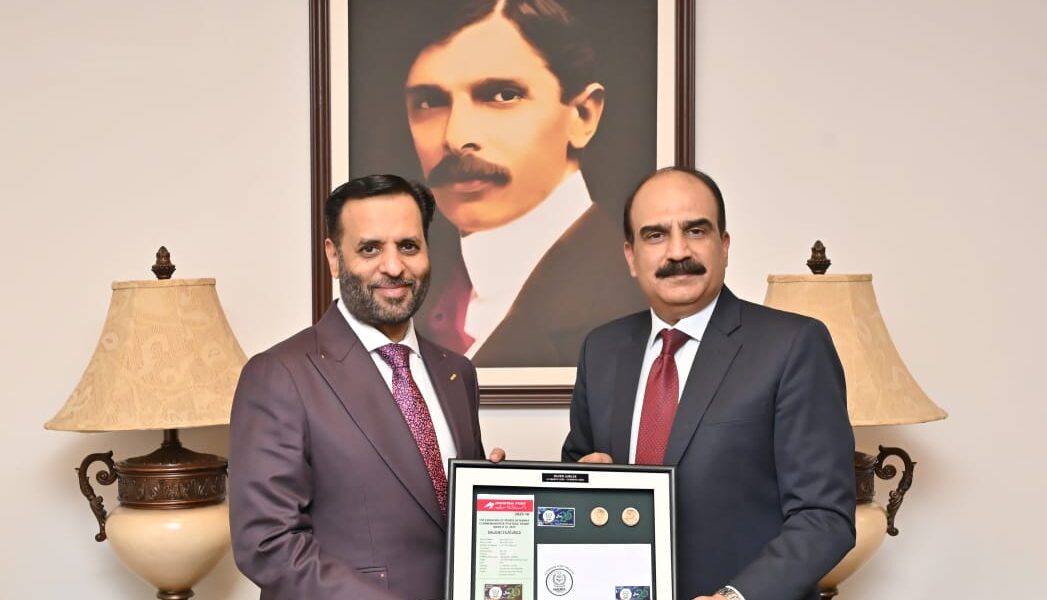
The agreement was signed at NADRA headquarters in a ceremony attended by Federal Health Minister Mustafa Kamal and NADRA Chairman Lieutenant General Muhammad Munir Afsar.
Under the partnership, NADRA will develop an integrated digital data management system to support patient registration, verification, tracking, and real-time data sharing for the national Hepatitis C eradication drive.
Officials said the initiative aims to digitize the entire patient lifecycle—from screening and diagnosis to treatment—ensuring accurate monitoring and faster response across healthcare facilities.
The Hepatitis C elimination programme, launched as a flagship initiative of the Prime Minister, targets one of the country’s most pressing public health challenges. Officials estimate that nearly 10 million people in Pakistan are affected, making it one of the highest-burden countries globally.
Speaking at the ceremony, the health minister said Pakistan has committed to eliminating Hepatitis C by 2030, stressing that early diagnosis and timely treatment are critical to achieving the goal.
He added that the new digital system will play a central role in ensuring transparency, efficiency, and coordinated action across provinces, enabling real-time insights into infection trends and treatment coverage.
Officials said the programme’s initial rollout will begin next week in Islamabad, marking the first phase of a nationwide digital health transformation aimed at tackling infectious diseases through technology-driven governance.
Experts say the integration of national identity systems with health data could significantly improve disease surveillance and service delivery, positioning Pakistan among countries leveraging digital infrastructure for large-scale public health interventions.