Senate Panel Questions Mobile Phone Taxes as Officials Warn of Policy Uncertainty

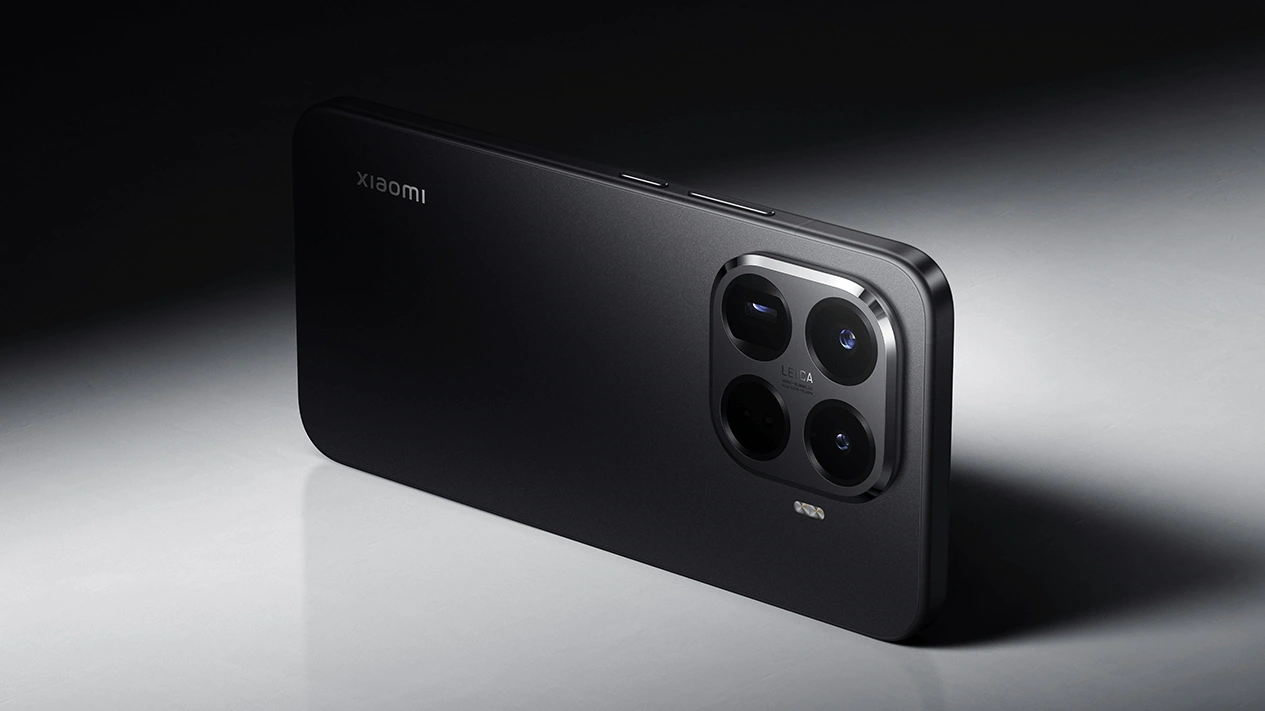
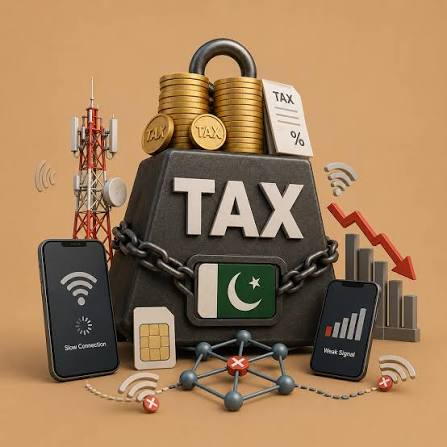
ISLAMABAD: A Senate committee on Tuesday questioned Pakistan’s mobile phone taxation regime, with lawmakers calling for policies that support consumers and businesses rather than adding to their financial burden.
The Senate Standing Committee on Cabinet Secretariat was told by Federal Board of Revenue (FBR) officials that the authority to impose or abolish taxes rests with Parliament.
The committee sought reports from the FBR and Tariff Commission on taxes imposed on mobile phones, seeking greater clarity on the existing taxation structure and its impact on the sector.
Senator Dilawar Khan criticised what he described as a lack of long-term policy planning, saying Pakistan’s policies often failed to provide businesses with the certainty needed for sustained investment.
Officials from the Pakistan Telecommunication Authority (PTA) told the committee that 35 companies are currently manufacturing smartphones in Pakistan, highlighting the growing role of local production in the country’s digital economy.
Senator Sadia Abbasi urged the government to focus on facilitating businesses instead of exploiting them through excessive taxation.
“Instead of exploitation, businesses should be facilitated,” she said, adding that government revenue measures were creating difficulties for ordinary citizens.
Cabinet Secretary Kamran Ali Afzal, meanwhile, said digital payments were bringing a transformation to Pakistan’s payment system.
The Cabinet Secretary also opposed the imposition of sales tax on mobile phones, adding to calls within the committee for a review of the taxation framework governing the country’s rapidly expanding digital and telecom sector.
The discussion comes as Pakistan seeks to expand smartphone adoption, strengthen local manufacturing and accelerate digital payments while balancing revenue needs with consumer affordability.