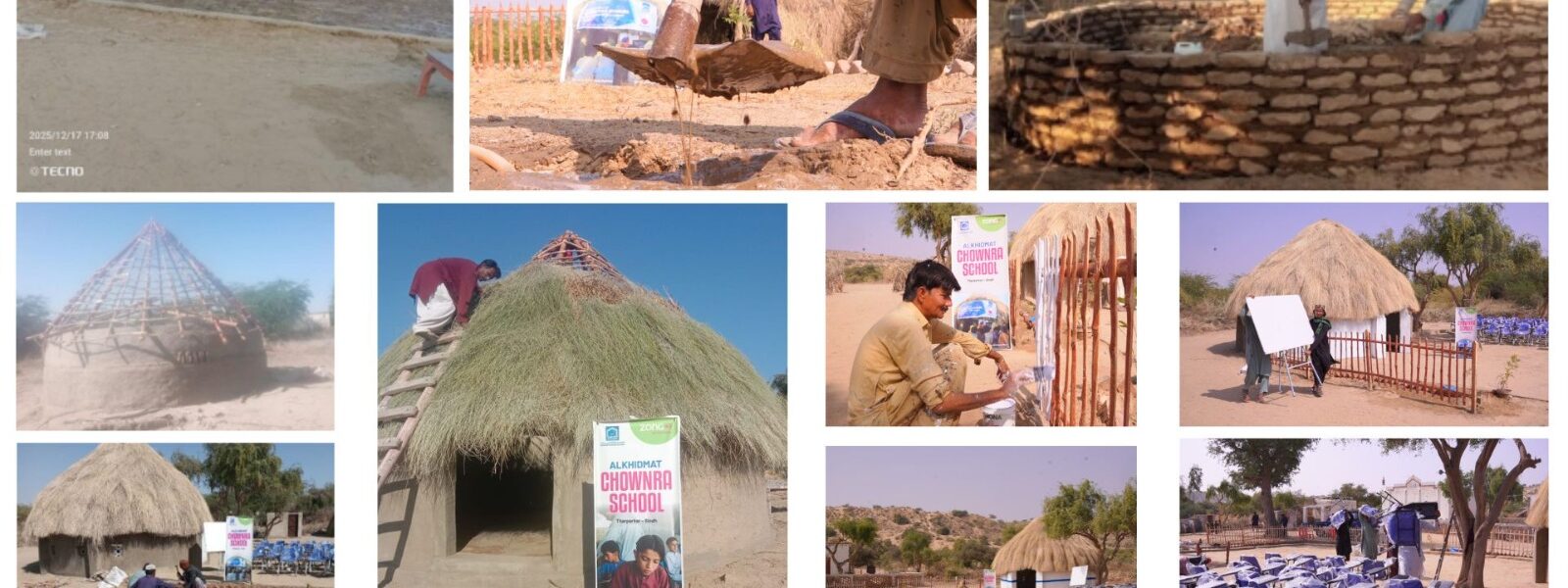
Zong Launches Community Schools in Tharparkar to Expand Education Access in Remote Areas

Zong has partnered with Alkhidmat Foundation to establish climate-resilient community schools in remote areas of Tharparkar, aiming to improve access to primary education for underserved children in Sindh.
The initiative focuses on creating safe, inclusive and sustainable learning environments in villages where access to formal education has remained limited due to poverty, scattered settlements and weak infrastructure.
Under the partnership, community schools have been established in remote villages including Chopni Wasai Pota in Mithi and Sono Ki Dhani in Islamkot, two areas where residents have historically faced difficulties accessing nearby educational facilities.
According to project officials, the initiative includes construction and renovation of climate-resilient school buildings along with the provision of classroom furniture, learning materials, sanitation facilities and secure boundary walls to support safer learning spaces.
The programme currently provides primary education to around 80 students from underserved communities, with attendance rates reportedly reaching nearly 85%.
Development experts say improving access to local schools can play a major role in reducing dropout rates and increasing educational participation among girls in remote regions where long travel distances and cultural barriers often limit enrollment.
Pakistan continues to face a severe education access crisis, with an estimated 25 million children aged between 5 and 16 remaining out of school nationwide, particularly in rural and underdeveloped districts.
Zong said the initiative reflects its broader commitment toward inclusive growth, digital empowerment and long-term socio-economic development through community-focused projects.
Officials from Alkhidmat Foundation described the collaboration as part of wider efforts to support underserved communities through education, healthcare and welfare programmes across Sindh.
The project aligns with the United Nations Sustainable Development Goals, particularly goals related to quality education and reducing inequalities.
Analysts say private sector partnerships are becoming increasingly important in addressing Pakistan’s education challenges as public infrastructure gaps continue to affect remote and marginalized regions.
The initiative also highlights growing corporate involvement in climate-resilient and socially inclusive development projects aimed at improving long-term community resilience in vulnerable districts such as Tharparkar.