NADRA Rejects SIM Verification Through Pak ID App as PTA, Telecom Industry Explore Alternatives

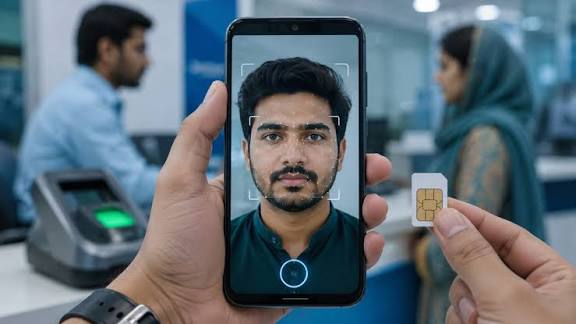
ISLAMABAD: Plans to introduce facial recognition-based SIM verification through the Pak ID app have hit a setback after the National Database and Registration Authority (NADRA) declined to provide the facial verification facility required for issuing SIMs through the application, according to PTA documents.
The development has prompted the Pakistan Telecommunication Authority (PTA) and cellular operators to reassess the proposed mechanism and explore alternative ways of introducing facial recognition technology at SIM issuance points across the country.
NADRA Changes Position on Facial Verification
According to documents reviewed by the PTA, discussions between NADRA and the telecom regulator had continued over the proposed use of the Pak ID app for SIM verification.
Cellular mobile operators had already completed the experimental phase of a facial recognition-based SIM verification system. The technology was intended to provide an alternative to conventional biometric verification and make SIM issuance more accessible through digital channels.
However, NADRA subsequently informed PTA that it could not make the required facial verification facility available through the Pak ID app for SIM issuance.
The change in position has affected the proposed mechanism and forced regulators and telecom companies to examine alternative technical arrangements.
NADRA Proposes Dedicated Hardware
Instead of providing facial verification through the Pak ID application, NADRA has proposed that cellular operators install specific hardware within their own systems to facilitate the required verification process.
PTA and the telecom industry are currently assessing the technical and operational implications of NADRA’s proposal.
The review also includes questions surrounding access to the National Data Warehouse under NADRA’s revised rules, with regulators examining how any new verification system could operate while meeting data protection, security and regulatory requirements.
Telecom Industry Explores New Options
With the original Pak ID-based mechanism facing difficulties, authorities are now looking at alternative approaches to introduce facial recognition technology at SIM issuance locations nationwide.
One cellular operator is separately examining the possibility of providing biometric and facial recognition-based verification through its own mobile application, according to the PTA documents.
The operator’s proposal is currently undergoing technical feasibility assessment. If the system is considered workable, an initial pilot of the facial recognition mechanism will be conducted before any wider deployment.
The move could eventually provide consumers with another digital route for SIM-related verification, although regulatory approval and successful completion of testing would be required before such a system could become operational on a broader scale.
Facial Recognition Could Change SIM Issuance
The proposed shift toward facial recognition is part of efforts to modernise Pakistan’s SIM registration and verification system.
At present, SIM issuance and related transactions rely heavily on biometric verification. A reliable facial recognition system could potentially make the process more convenient while helping operators verify customers remotely or at digitally enabled service points.
However, the latest developments show that introducing such a system involves more than simply deploying facial recognition technology. Data access, hardware requirements, privacy, security, interoperability and regulatory responsibilities all need to be addressed before nationwide implementation.
PTA and telecom operators are therefore continuing to examine the available options and the implications of NADRA’s latest requirements.
PTA and FBR Have Different Roles on Mobile Taxes
The PTA documents also clarify the regulator’s role in the wider mobile phone market.
The authority’s legal jurisdiction is limited to the technical examination of mobile devices, while the responsibility for imposing and collecting duties and taxes on mobile phones rests with the Federal Board of Revenue (FBR).
PTA has nevertheless supported rationalising duties and taxes imposed on mobile devices, arguing that more reasonable taxation could help bring down smartphone prices and improve access to mobile technology.
The issue has remained important for Pakistan’s rapidly growing digital economy, where high handset prices can limit smartphone adoption and restrict access to digital services.
A Decision Still Under Review
For now, the proposed Pak ID facial recognition mechanism for SIM verification remains unsettled.
NADRA’s decision not to provide facial verification through the Pak ID app has prompted regulators and telecom operators to consider other technical solutions, while at least one cellular operator is assessing whether its own mobile application could support biometric and facial recognition-based verification.
If the proposed alternatives prove technically feasible and receive regulatory approval, facial recognition could eventually become another layer in Pakistan’s SIM verification framework.
The ongoing review highlights the challenge of balancing digital convenience, secure identity verification and control over sensitive national identity data as Pakistan moves toward more technology-driven telecom services.