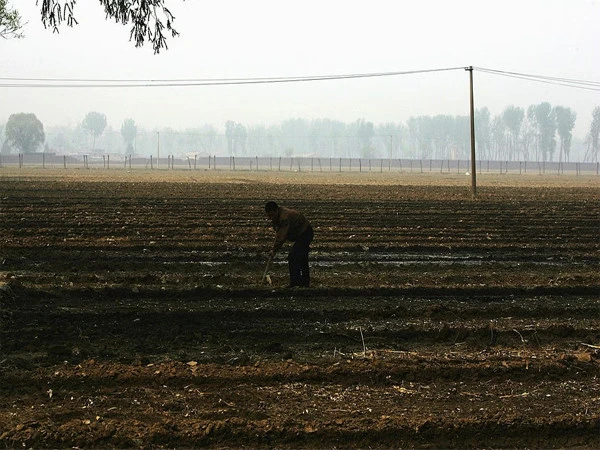

An artificial intelligence recommendation intended to help a Chinese farmer control weeds and pests instead ended in disaster, destroying crops across 25 acres overnight and highlighting the risks of relying on AI for sensitive agricultural decisions without expert verification.
The 67-year-old farmer from Chuzhou in China’s Anhui province had reportedly been using AI assistance for about a year to seek advice on crop management, fertiliser use and other farming activities.
His confidence in the technology grew after initially receiving useful advice. But the results changed dramatically when he sought an AI recommendation for dealing with weeds and pests affecting his sesame crop.
Following the suggested chemical treatment, a large portion of the newly planted crop was destroyed. Agricultural experts cited the inappropriate use of flufenacet, a herbicide that can damage sesame crops if applied incorrectly or without proper precautions.
The incident has sparked fresh questions over the limits of AI-generated advice in agriculture, where the wrong recommendation can translate into substantial financial losses for farmers.
Experts have stressed that AI tools can assist farmers with information and planning but should not replace qualified agricultural specialists, particularly when recommendations involve pesticides, herbicides, fertilisers or other chemicals.
The case also underscores a broader challenge accompanying the rapid spread of generative AI: a confident-sounding answer is not necessarily a safe or accurate one.
For farmers increasingly turning to AI for day-to-day decisions, the costly experience serves as a warning that technology-driven advice should be independently verified before being put into practice.