Pakistan Leads Global Gains in Closing Mobile Gender Gap, GSMA Report Finds

ISLAMABAD
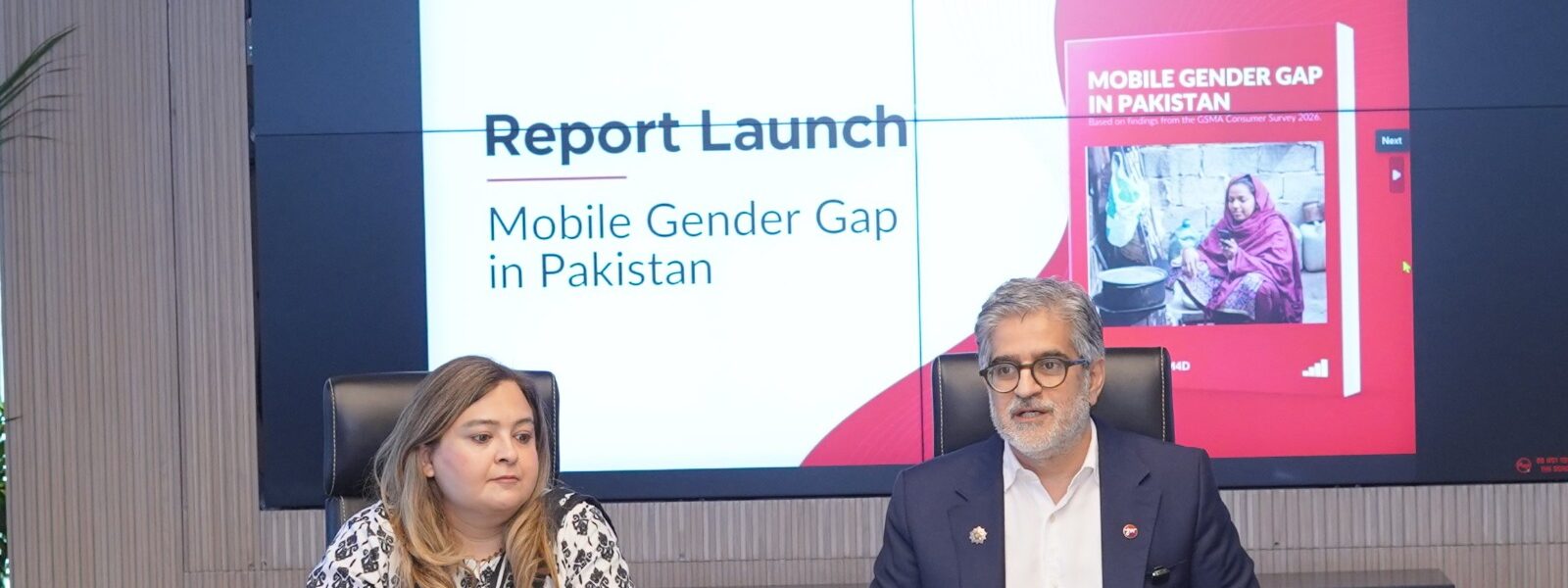
Pakistan has emerged as the world’s top performer in reducing the mobile ownership gender gap, with the disparity shrinking from 37 per cent in 2024 to 27pc in 2025, according to the latest GSMA Mobile Gender Gap Report 2026 unveiled at an event hosted by the Telecom Operators’ Association (TOA).
The report highlights a major leap in women’s digital inclusion, placing Pakistan among the strongest-performing low- and middle-income countries surveyed. It noted significant progress across nearly all indicators measuring women’s access to and use of mobile technology.
One of the report’s most notable findings was the dramatic decline in the mobile internet gender gap, which narrowed from 25pc to just 8pc within a year — one of the fastest improvements recorded globally. The surge was driven by a sharp rise in women’s mobile internet usage while usage among men remained largely unchanged.
Industry leaders credited the progress to coordinated efforts by the government, telecom operators, regulators and development partners aimed at expanding digital access and empowering women through technology.
Speaking at the launch event, TOA Chairman Aamir Ibrahim described the achievement as a milestone for Pakistan’s digital inclusion agenda, stressing that sustained progress would depend on improving affordability, enhancing digital skills and enabling greater participation of women in the digital economy.
GSMA Asia Pacific Head Julian Gorman said Pakistan stood out among surveyed countries for making meaningful strides in narrowing gender disparities in mobile ownership and internet use, adding that access to personal devices remains critical for long-term digital empowerment.
The report further revealed that 94pc of women who own smartphones use mobile internet daily, compared to only 48pc of women relying on shared devices, underlining the importance of personal device ownership in driving digital engagement.
Participants at the event identified affordability, limited digital literacy and persistent social barriers as key challenges restricting women’s internet adoption. They called for wider access to affordable smartphones, stronger digital skills programmes and safer online environments to sustain the momentum.
The TOA also acknowledged the contributions of the Ministry of Information Technology and Telecommunication, the Pakistan Telecommunication Authority (PTA), development partners and telecom operators in advancing digital inclusion and expanding opportunities for women across the country.
Pakistan’s record progress marks a significant step towards a more inclusive digital future, with experts viewing women’s connectivity as a key driver of economic growth, education and financial empowerment.