Pakistan Railways Launches First Fully Digital Freight System Under RAIN Project

ISLAMABAD
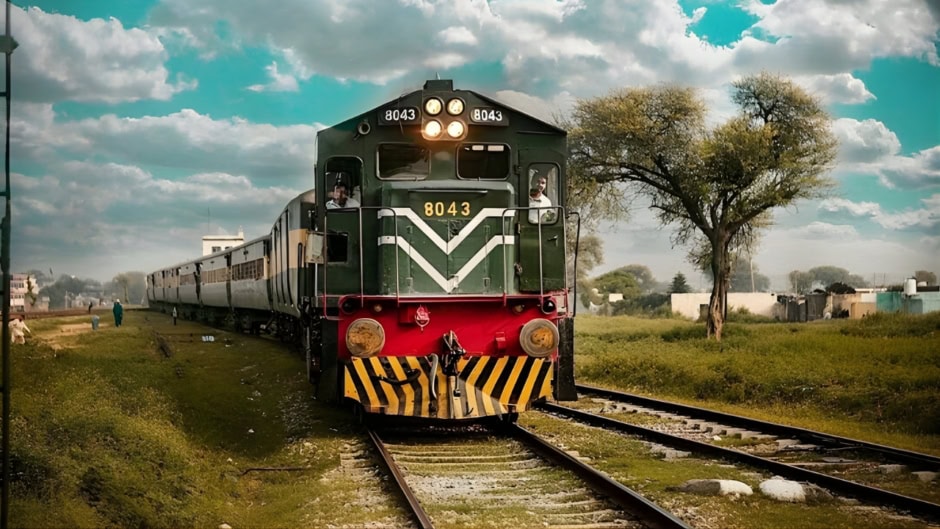
Pakistan Railways has launched its first fully digital freight management system under the Railway Asset Improvement and New Technology (RAIN) project, marking a major step towards modernizing the country’s transport and logistics sector.
Officials said the new system is designed to digitize freight operations, improve cargo tracking, reduce paperwork and enhance efficiency across Pakistan Railways’ commercial network.
The initiative introduces real-time freight monitoring, digital booking services and automated operational workflows aimed at reducing delays and improving transparency for businesses using rail cargo services.
Authorities say the digital freight platform will help streamline logistics management and strengthen coordination between railway operations, cargo handlers and commercial clients.
The project is part of broader efforts to modernize Pakistan Railways through technology-driven reforms and smart infrastructure upgrades.
Railway officials noted that the transition from manual processes to digital operations is expected to improve revenue collection, operational efficiency and customer experience in the freight sector.
Industry experts say digitizing freight services could help Pakistan Railways compete more effectively with road transport by offering faster, more transparent and reliable cargo movement solutions.
The launch also aligns with Pakistan’s wider digital transformation strategy focused on modernizing public sector institutions and improving service delivery through technology integration.
Officials believe the new digital system could play a significant role in boosting trade connectivity, lowering logistics costs and supporting industrial supply chains across the country.
Technology observers say railway digitization is increasingly becoming essential worldwide as governments seek smarter transportation systems capable of supporting growing commercial and freight demands.
The RAIN project is expected to pave the way for additional smart railway initiatives, including advanced tracking systems, digital ticketing and AI-based operational management in the future.