Anthropic Signs Major AI Infrastructure Deal With SpaceX Amid Global Compute Race

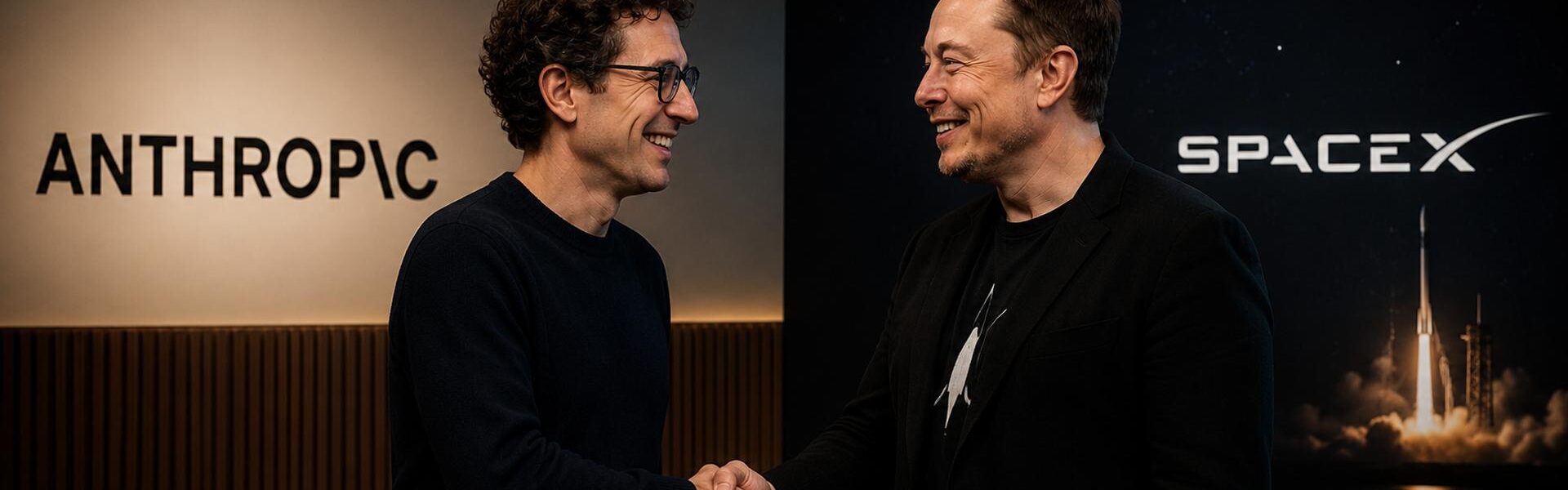
Artificial intelligence startup Anthropic has reportedly signed a major infrastructure partnership with SpaceX as competition intensifies among AI firms seeking access to massive computing power and satellite-backed connectivity systems.
According to international tech reports, the partnership will focus on expanding AI infrastructure capabilities, including high-performance compute resources, networking capacity and future integration opportunities linked to satellite communications technologies.
The agreement is being viewed as part of a broader industry shift where AI companies are increasingly partnering with telecom, cloud and space technology firms to secure the enormous infrastructure required to train and operate next-generation AI models.
Industry analysts say access to scalable computing power has become one of the biggest strategic battlegrounds in the global AI race, with companies rapidly investing in data centers, advanced chips and connectivity ecosystems.
The reported collaboration could potentially strengthen Anthropic’s long-term infrastructure independence as demand for AI processing capacity continues to surge worldwide.
Anthropic, backed by major investors including Amazon and Google, has emerged as one of the leading competitors to OpenAI in the rapidly expanding generative AI market.
Meanwhile, SpaceX has been aggressively expanding its technology footprint beyond aerospace through its satellite internet network Starlink, which already operates across dozens of countries and supports large-scale connectivity infrastructure.
Experts say future AI development will increasingly depend not only on software innovation but also on control over energy, compute infrastructure and global data transmission networks.
The partnership also highlights growing convergence between the AI, telecom and space sectors as companies race to build vertically integrated digital ecosystems capable of supporting advanced AI services worldwide.
The financial details of the agreement were not publicly disclosed, and both companies have yet to release extensive technical specifics regarding the scope of deployment.