TikTok Rules Out End-to-End Encryption, Citing Safety — But Privacy Fears Resurface

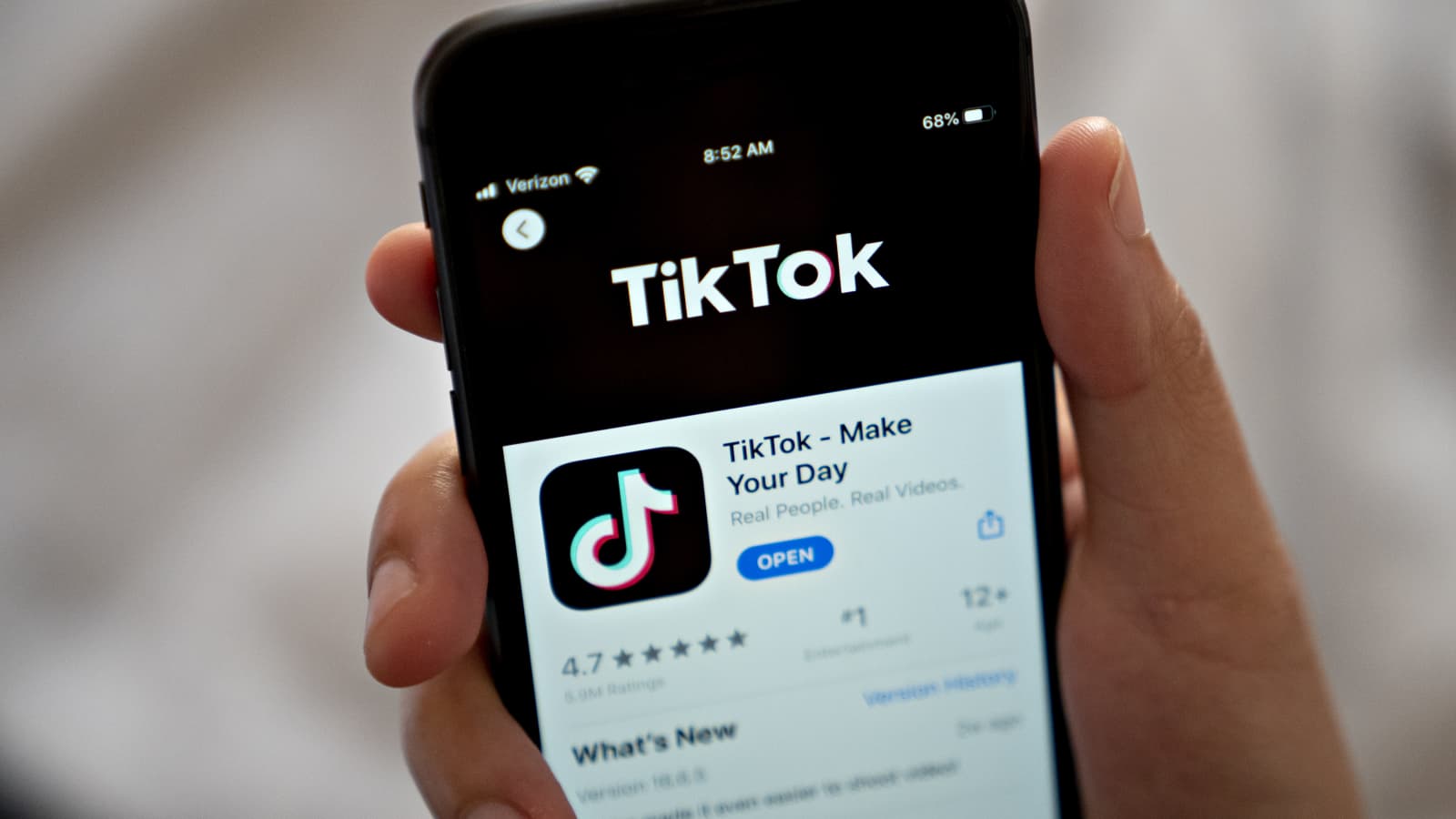
Short-video platform TikTok has confirmed it will not introduce end-to-end encryption for its direct messaging service, arguing that such protections would hinder law enforcement agencies and its own internal safety teams from investigating harmful activity.
Speaking to the BBC at its London office, the company described the decision as deliberate. TikTok said risks of grooming and harassment in direct messages are “very real,” adding that maintaining access to DMs enables “proactive safety” rather than what it called “privacy absolutism.”
The move sets TikTok apart from rivals such as Meta, which has been expanding encrypted messaging across its platforms despite pushback from governments, particularly in the United Kingdom. Law enforcement agencies have long argued that end-to-end encryption shields criminal activity, complicates child abuse investigations and limits platforms’ ability to detect harmful content in real time.
Yet TikTok’s stance is likely to reignite long-running concerns over its ownership and data governance. The platform is owned by Beijing-based ByteDance, which operates under China’s national cybersecurity laws. Those regulations can require companies to share data with state authorities upon request — a legal backdrop that has fueled scrutiny in Western capitals.
The company’s record has already faced controversy. In 2022, the Financial Times reported that ByteDance employees used internal TikTok systems to track the movements of American journalists suspected of contact with company insiders. While the episode did not involve reading private messages, it demonstrated the platform’s capacity to cross-reference user data and location information.
That history adds weight to critics’ warnings that unencrypted direct messages may present a different risk profile for TikTok than for Western-owned platforms. If messages remain accessible to internal moderation systems, critics argue, they may also be theoretically accessible to the parent company — and by extension, subject to Chinese legal demands.
The issue lies at the heart of geopolitical tensions surrounding TikTok, including past efforts by the United States government to push for American ownership to sever operational ties with ByteDance.
Child protection groups have long cautioned that strong encryption could hinder abuse detection. However, privacy advocates counter that weakening encryption exposes users to broader surveillance risks, particularly in jurisdictions with expansive state data powers.
For TikTok, the balancing act between safety enforcement and privacy protection remains delicate. By publicly rejecting end-to-end encryption, the platform has aligned itself with government security concerns — but it may also deepen skepticism among critics who question whether user data can ever be fully insulated from Beijing’s reach.