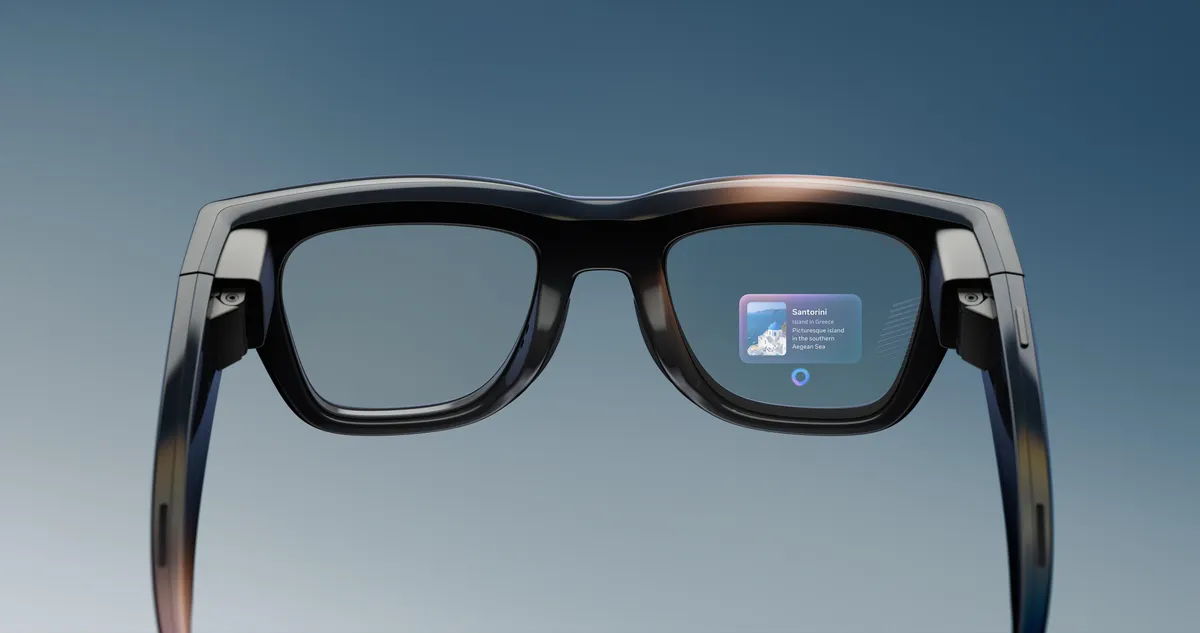

A joint media investigation has raised fresh privacy concerns over Meta Platforms’ Ray-Ban smart glasses, alleging that footage captured through the wearable devices is routed to overseas contractors for human review to train artificial intelligence systems.
According to reports by Swedish newspapers Svenska Dagbladet and Göteborgs Posten, video content recorded by the AI-enabled glasses is reviewed and labelled by workers at Sama, a Nairobi-based data annotation firm subcontracted by Meta.
The glasses, developed in partnership with Ray-Ban, were marketed with a privacy-focused design that includes a small LED indicator light to signal when recording is active. However, the investigation claims that footage captured in private settings — including homes and bedrooms — has been accessed by contractors tasked with tagging objects, scenes and interactions to improve Meta’s AI models.
Workers cited in the report described reviewing highly sensitive material, including individuals undressing, using bathrooms, and inadvertently recording bank cards or intimate situations. “We see everything, from living rooms to naked bodies,” one contractor was quoted as saying, alleging that some individuals appeared unaware they were being recorded.
Meta’s terms of service permit manual human review of AI interactions for training and quality control purposes. Privacy advocates argue that many users may not fully understand the extent of data collection when activating the device’s AI assistant, potentially resulting in unintended recordings.
Legal experts have warned that once personal footage is incorporated into AI training datasets, user control over how the material is processed or retained may become limited.
Meta has said it employs automated face-blurring technology to protect identities within training data. However, workers cited in the investigation claimed that the system does not always function reliably, particularly in low-light conditions, leaving some individuals potentially identifiable.
Ray-Ban Meta smart glasses reportedly sold more than seven million units in 2025, reflecting growing consumer interest in AI-powered wearables. Internal planning documents referenced in the investigation also suggest that Meta has explored adding facial recognition capabilities in future iterations of the device — a move critics say could intensify privacy risks if safeguards prove inadequate.
Following earlier scrutiny over content moderation practices, Meta reportedly reduced certain moderation operations and shifted toward computer-vision-based annotation, though human review of footage from smart glasses continues under strict non-disclosure agreements.
The findings have reignited debate over transparency and oversight in the rapidly expanding AI wearables market, as consumers weigh the convenience of always-on assistants against the potential exposure of deeply personal moments.