Pakistan, UN University Launch GovAI to Train 1 Million Civil Servants in AI

In a move aimed at positioning Pakistan at the forefront of responsible public-sector AI adoption, the Pakistan Digital Authority (PDA) and the United Nations University (UNU) have signed a Memorandum of Understanding (MoU) to accelerate Project GovAI — a scalable digital micro-learning and upskilling programme for civil and public servants.
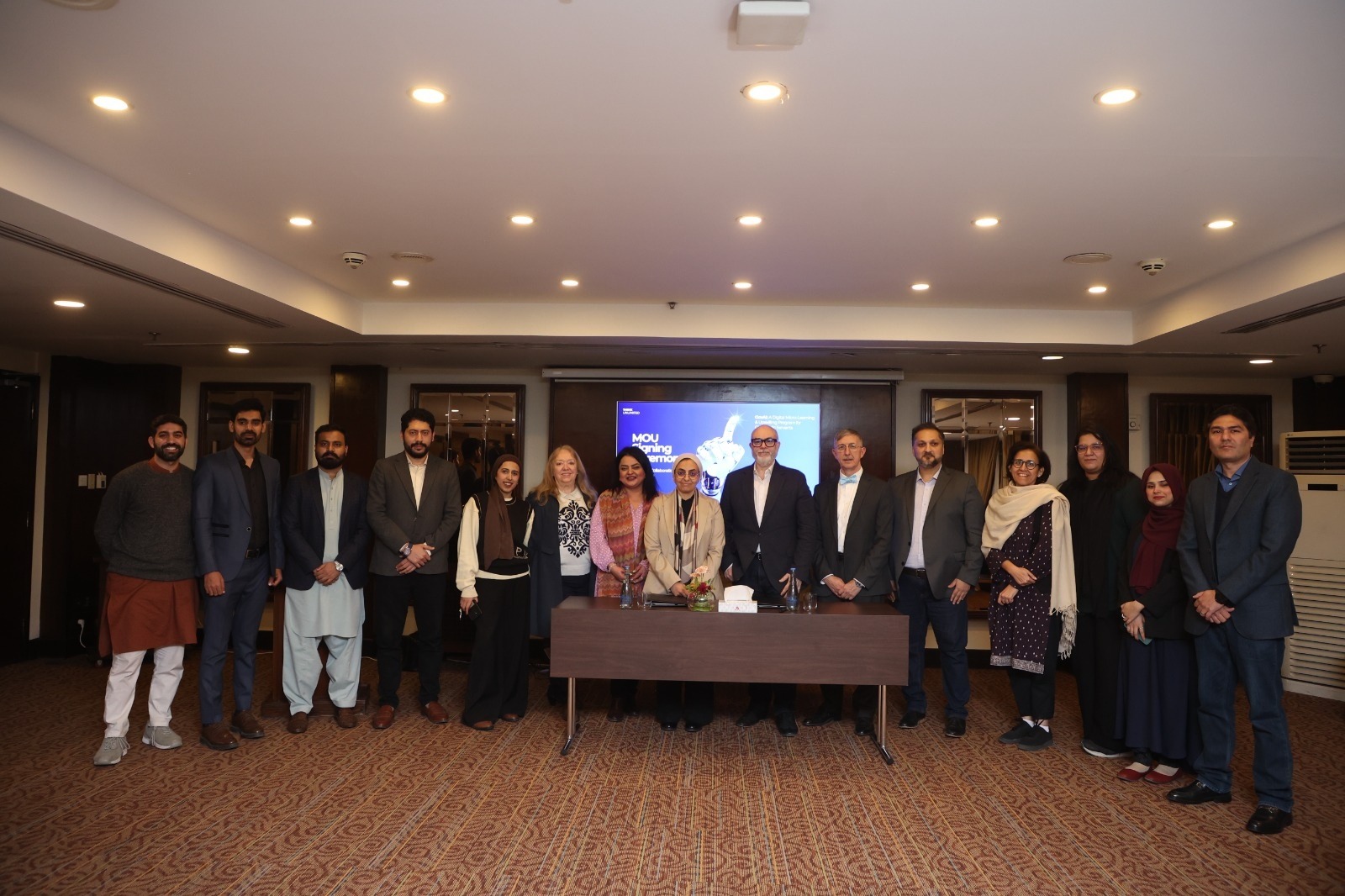
The agreement was formalised during Indus AI Week 2026, marking what officials described as a milestone in Pakistan’s five-year Digital Master Plan.
Coordinated by UNU-EGOV, the collaboration will leverage expertise from across the UNU system, including UNU-IAS, UNU-MERIT and the UNU Macau.
Scaling AI Skills Across Government
GovAI aims to enable AI upskilling for more than one million Pakistani civil servants by 2028 — a scale officials say could redefine public service delivery in the country.
The MoU establishes a structured discovery and testing phase that will:
- Assess curriculum architecture and learning design
- Pilot micro-trainings, webinars and e-learning modules
- Validate localisation, engagement metrics and impact measurement
- Develop an evidence-based sustainability and scale-up model
The initiative focuses on building institutional capacity — what policymakers describe as the “capability layer” required to deliver secure, trusted and citizen-centric digital services.
AI and the Global Growth Imperative
The partnership comes amid growing international consensus that artificial intelligence will significantly shape future economic growth. The International Monetary Fund (IMF) has stated AI could “jumpstart productivity,” while major global estimates suggest generative AI could add between $2.6 trillion and $4.4 trillion annually to the global economy and potentially lift global GDP by around 7% over time.
Officials said GovAI is designed not merely as a training programme but as a potential model for global adaptation.
Over time, PDA and UNU will explore whether GovAI can evolve into a reusable digital public good — offering modular learning pathways, governance playbooks and scalable frameworks that other countries could adopt for responsible AI capacity building.
Leadership Voices
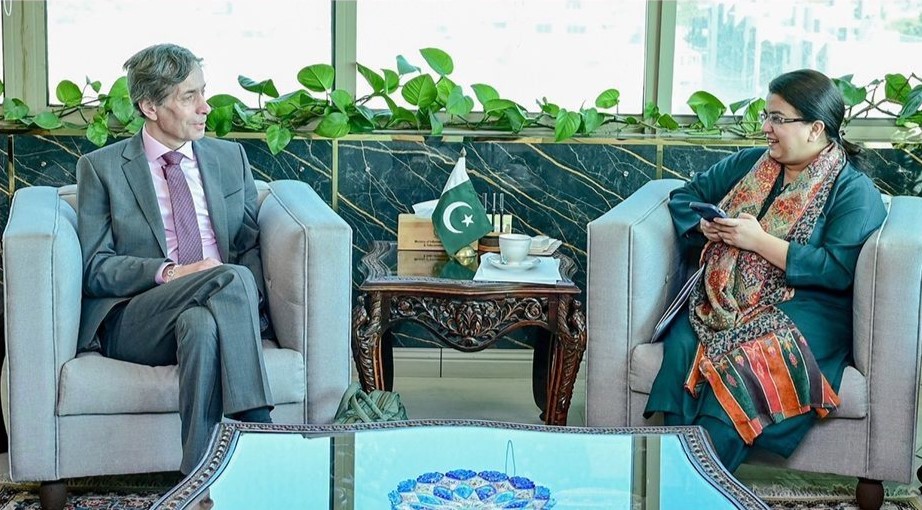
Shaza Fatima Khawaja, Federal Minister for Information Technology and Telecommunication, described AI as a national priority.
“AI is a national priority for Pakistan, and we will use it to make government services faster, simpler and fairer for everyone. With this MoU between Pakistan Digital Authority and the United Nations University, GovAI will build practical skills across the public sector so we can cut bureaucracy, make it easier to do business, and widen access to services for all citizens. This is how we accelerate inclusive growth and deliver a future-ready Digital Nation Pakistan under the vision of the Honourable Prime Minister.”
Mohammad J. Sear, Vice Chairperson of PDA, said the pace of digital transformation required urgent institutional readiness.
“GovAI will help ensure our civil service has the practical AI skills and governance capability needed to deliver the Digital Master Plan and improve services for people and businesses across Pakistan.”
Tshilidzi Marwala, Rector of UNU, emphasised the global governance dimension of AI adoption.
“AI is reshaping development pathways. Building public sector capacity to use AI responsibly is essential to advancing the Sustainable Development Goals, the Global Digital Compact and strengthening global cooperation for sustainable development.”
Delfina Soares, Director of UNU-EGOV, underscored the governance-first approach.
“Sustainable and inclusive transformation depends on governance and capacity, not technology alone. GovAI will focus on the skills, institutional practices and trust foundations that turn AI into measurable public value and socio-economic progress.”
A Defining Digital Step
Analysts say the MoU signals Pakistan’s intent to move beyond pilot AI deployments toward structured, accountable public-sector transformation.
If successfully scaled, GovAI could position Pakistan as a regional case study in responsible AI capacity building — blending governance reform, digital literacy and institutional trust into a cohesive national strategy.