Indus AI Summit 2026 Ends in Islamabad with Policy Breakthroughs and Global Partnerships

Islamabad
The Indus AI Summit 2026 concluded on Sunday in Islamabad, marking a major step in Pakistan’s push to turn artificial intelligence from policy ambition into practical action. Organised by the Ministry of Information Technology and Telecommunication, the summit brought together global experts, policymakers, and industry leaders at the Jinnah Convention Center to shape the country’s long-term AI direction.
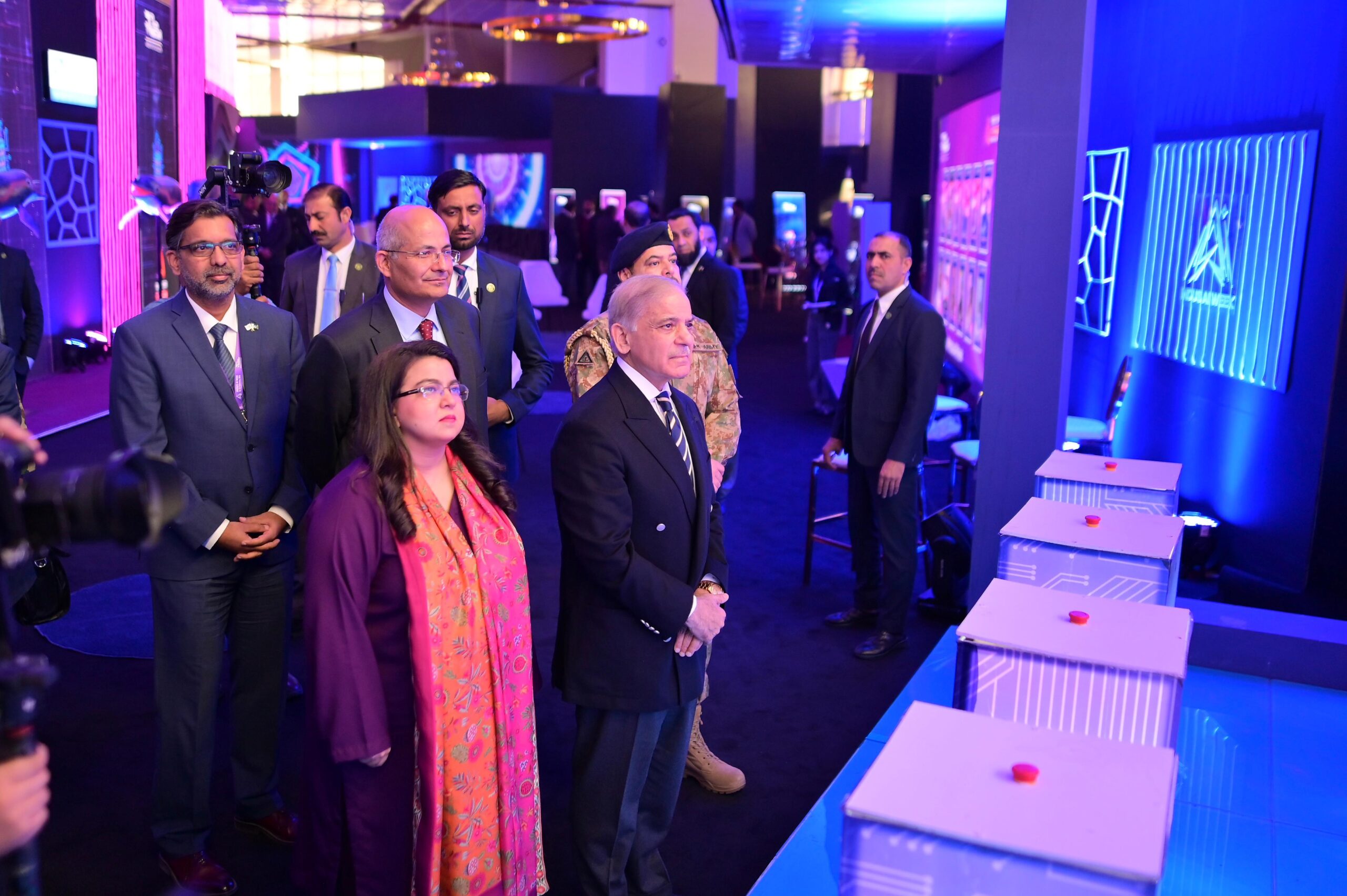
Prime Minister Muhammad Shehbaz Sharif, who attended the event as chief guest, said artificial intelligence was no longer a distant idea but a core pillar of national development. Addressing the gathering, he stressed that Pakistan aims to move beyond being a passive observer of global technological change and instead position itself as a regional leader in AI.
The summit served as the strategic centrepiece of Indus AI Week (February 9–15) and focused on building evidence-based frameworks, encouraging international cooperation, and strengthening Pakistan’s national AI ecosystem. Officials said the discussions reflected a clear shift from planning to implementation.
In a major announcement, the prime minister reiterated the government’s commitment to invest $1 billion in AI by 2030. The funding will be used to develop sovereign computing infrastructure and support research and innovation. To prepare future talent, the government will introduce AI education in federal schools, including institutions in Azad Jammu and Kashmir, Gilgit-Baltistan, and remote areas of Balochistan.
He also confirmed plans to offer 1,000 fully funded PhD scholarships in AI by 2030 and to launch a nationwide programme to train one million non-IT professionals in AI skills, aiming to improve productivity across sectors.
Federal Minister for Planning Prof. Ahsan Iqbal said AI plays a central role in the government’s “Uraan Pakistan” vision for economic transformation. He highlighted the need to bridge the gap between universities and industry so that research leads to exports, innovation, and sustainable jobs across all provinces.
Minister for IT and Telecommunication Shaza Fatima Khawaja said emerging technologies are now directly linked to national sovereignty and economic resilience. She noted that key initiatives are already underway, including the full adoption of e-office systems in federal divisions and the development of high-performance computing infrastructure. She also welcomed international partnerships, calling them essential for scaling Pakistan’s technical capacity and global credibility.
A key outcome of the summit was the announcement of the Islamabad Declaration, a landmark framework outlining Pakistan’s approach to Sovereign AI and Artificial General Intelligence (AGI). Built around eight core pillars, the declaration focuses on public value, human accountability, data privacy, safe and explainable AI, inclusive innovation, and a private-sector-led ecosystem. Officials said the document is designed to guide real-world implementation rather than remain a symbolic policy.
The event featured high-profile speakers from Pakistan and abroad, including technology leaders, academics, and executives from global firms. Several panel discussions explored AI governance, financing, trust, and the future of digital government.
With the summit concluded, attention now turns to the broader Indus AI Week, where students, startups, and the public will take part in hands-on demonstrations and learning sessions at the Islamabad Sports Complex. The week-long event will run until February 15, signalling Pakistan’s intent to make artificial intelligence a key driver of national growth and international collaboration.