
Islamabad:
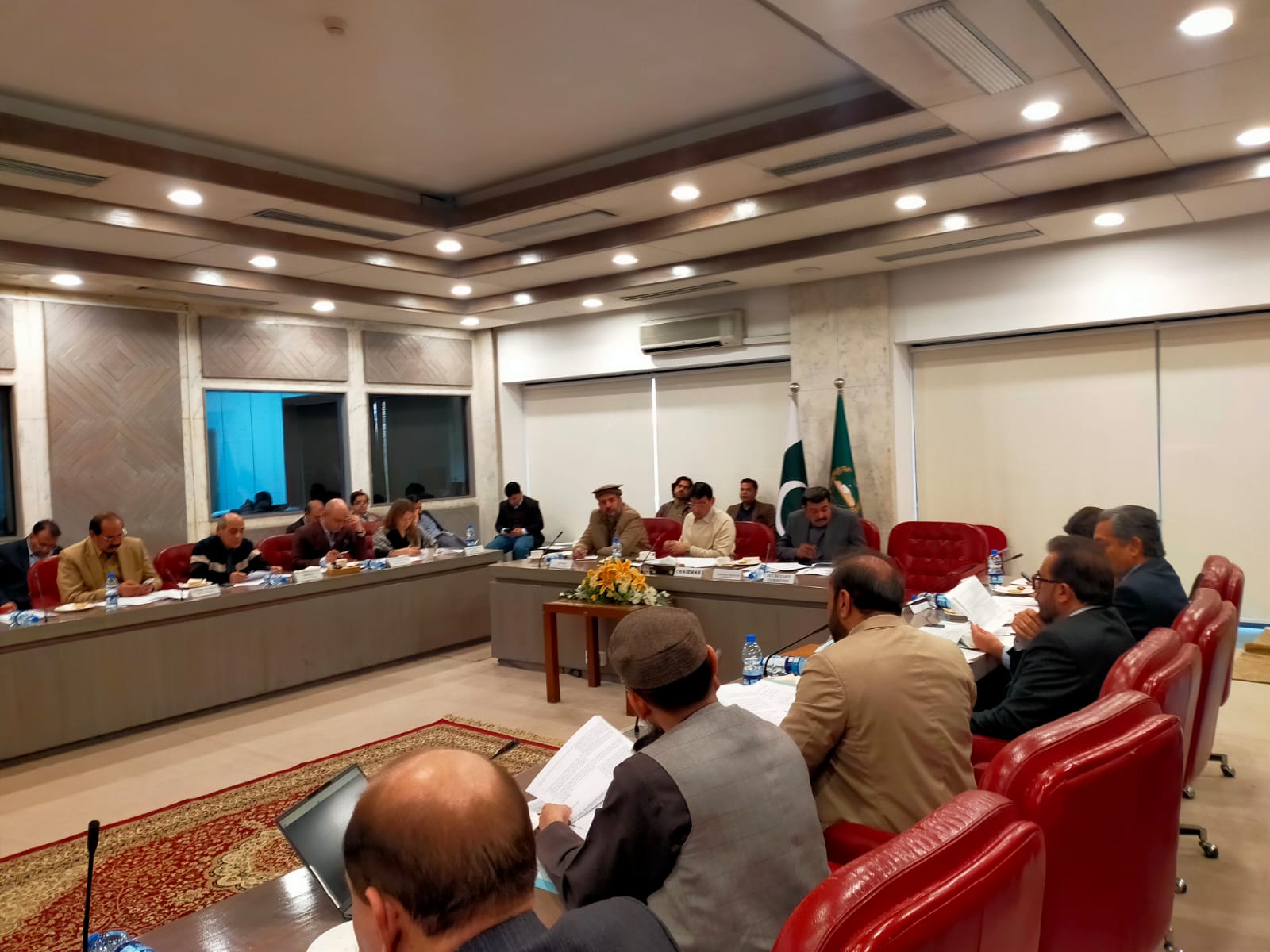
The National Assembly’s Standing Committee on Information Technology, chaired by Syed Aminul Haque, held a meeting at Parliament House on Monday to review proposed amendments to the Pakistan Telecommunication Act, triggering a wide-ranging debate over legislative process, constitutional rights, and the future of digital infrastructure in the country.
Opening the session, the committee chair said the amendments were “positive and necessary” to modernise the telecommunications framework but stressed that, under democratic norms, Parliament must be taken into confidence. Several committee members raised concerns that the bill had been tabled without prior consultation.
Pakistan Peoples Party (PPP) lawmaker Sharmila Farooqi said neither the committee nor her party’s legislative forum had been consulted before the bill was introduced, calling the process inadequate for legislation with far-reaching implications.
Federal Minister for IT and Telecom Shaza Fatima defended the pace of the legislation, saying the amendments were being fast-tracked due to conditions linked to the International Monetary Fund (IMF) programme and compliance requirements for state-owned enterprises. Officials from the Ministry of Law described the bill as a “special law”, arguing that it required expedited handling.
A major point of contention was the proposed amendment related to the “right of way” for telecom infrastructure. Farooqi warned that the changes could override existing laws and potentially harm the environment or sites of national heritage. She cautioned that unchecked powers could undermine safeguards built into other regulatory frameworks.
Responding to the criticism, Shaza Fatima said all provinces had already issued notifications abolishing right-of-way charges. She added that under the proposed amendments, licensees would be legally bound to restore sites to their original condition after completing infrastructure work.
Highlighting the broader digital context, the IT minister told the committee that around 98 percent of users in Pakistan now rely on mobile broadband services. She said fibre optic expansion had stalled due to objections from landowners, warning that without resolving these bottlenecks, neither high-speed internet nor future technologies such as 5G could be effectively rolled out.
Farooqi reiterated that citizens’ constitutional rights should not be overlooked in the push for digital expansion. In response, the minister assured lawmakers that the proposed amendments would not infringe upon any constitutional rights.
The committee is expected to continue deliberations on the bill as lawmakers seek to balance regulatory reform, digital growth, and legal safeguards.