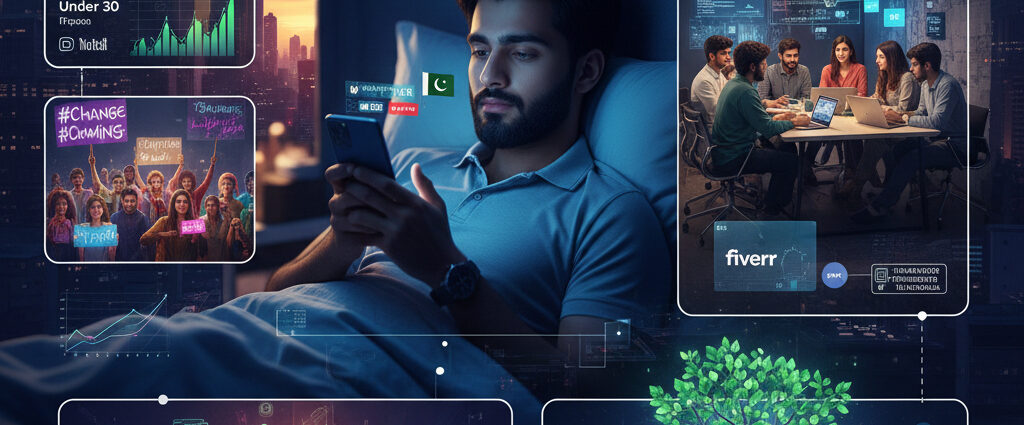
For Generation Z — commonly known as Gen Z and born between 1997 and 2012 — the internet is not merely a tool but an environment. Raised alongside smartphones and social media, Gen Z has become the first generation to experience life entirely within a digitally interconnected ecosystem.Gen Z’s Digital Identity: Social Media as Culture and Currency
Platforms such as TikTok, Instagram and YouTube have profoundly shaped Gen Z’s communication style, self-expression and activism.Short-form video dominates attention spans, while influencer culture has created new income streams. At the same time, online activism and cancel culture reflect how Gen Z uses digital platforms for accountability and social change.
Gen Z and the E-Learning Revolution
Education for Gen Z extends beyond traditional classrooms. Online platforms such as Coursera and Udemy offer flexible skill development, while AI tools like ChatGPT assist with research, coding and writing.Experts say Gen Z’s digital fluency could give them an advantage in future labour markets increasingly shaped by automation.
Gen Z’s Career Shift: From Traditional Jobs to Digital Work
Rather than pursuing conventional office careers, many Gen Z professionals are turning to freelancing platforms such as Fiverr and Upwork.Entrepreneurial ventures are also rising, with e-commerce tools like Shopify and interest in digital finance platforms such as Binance gaining popularity.
Gen Z and the Mental Health Debate in a Hyperconnected World
While digital platforms provide opportunity, psychologists warn of rising anxiety linked to screen time, comparison culture and online harassment. The “digital detox” movement has gained traction among Gen Z users seeking balance between connectivity and well-being.
Gen Z in Pakistan: A Demographic Driving Digital Growth
In Pakistan, where a majority of the population is under 30, Gen Z represents a powerful digital workforce. The country ranks among leading freelance markets, and IT export growth signals expanding opportunities. However, experts note that digital literacy, cybersecurity and equitable access remain critical challenges.
How Pakistan’s Gen Z Is Shaping Politics Landscape
When 21-year-old Ayaan scrolls through Instagram late at night, he isn’t just watching memes — he’s evaluating political campaigns. For Pakistan’s Generation Z, the internet is not just a tool but a political playground, where likes and shares translate into influence.
Nut Graph (Main Theme Explanation):
Born between 1997 and 2012, Gen Z is redefining political engagement through digital activism. From viral TikTok videos highlighting government corruption to online forums debating policy, young Pakistanis are stepping into a political space once dominated by older generations.
Deep Analysis Section:
Social media has amplified Gen Z’s voice, but its influence remains uneven. Urban youth are more connected, while rural areas face infrastructure and literacy barriers. Additionally, online political discourse is shaped by algorithms that favor sensationalism, limiting nuanced debate. Digital activism includes online petitions, hashtag campaigns, and content creation, but translating this into real-world political change remains a challenge.
Expert Commentary:
“Gen Z is digitally empowered but institutionally constrained,” says political analyst Omar Farooq. “Their impact is evident in awareness and discussion, but entrenched political structures and low youth voter turnout limit the effect.”
Broader Impact:
While Gen Z engagement in Pakistan mirrors global trends, it also highlights unique challenges: internet censorship, misinformation, and socio-economic divides. Their online activism has potential to influence upcoming elections and pressure parties to adopt youth-centric policies. Yet, the full political power of this generation remains aspirational rather than guaranteed.